Pupil Response & Age-Related Vision Changes in Low Light
Your eyes change at 35 and keep changing. Learn exactly what happens, why recovery time increases, and practical compensation techniques that actually work.
Master low-light vehicle control, headlight strategies, and reaction techniques for safer nocturnal driving
We've built a progressive system that takes you from fundamentals to confident nocturnal driving
We start with your baseline visibility. You'll learn how age affects night vision, pupil response, and glare recovery. Understanding your personal limits is everything.
High beams, low beams, adaptive lighting — they're not one-size-fits-all. We teach you when to use each, how to read oncoming traffic, and why your settings matter at different speeds.
Handling a car in low light is different. Reaction time is slower, depth perception shifts. You'll practice emergency stops, lane changes, and cornering when you can't see clearly.
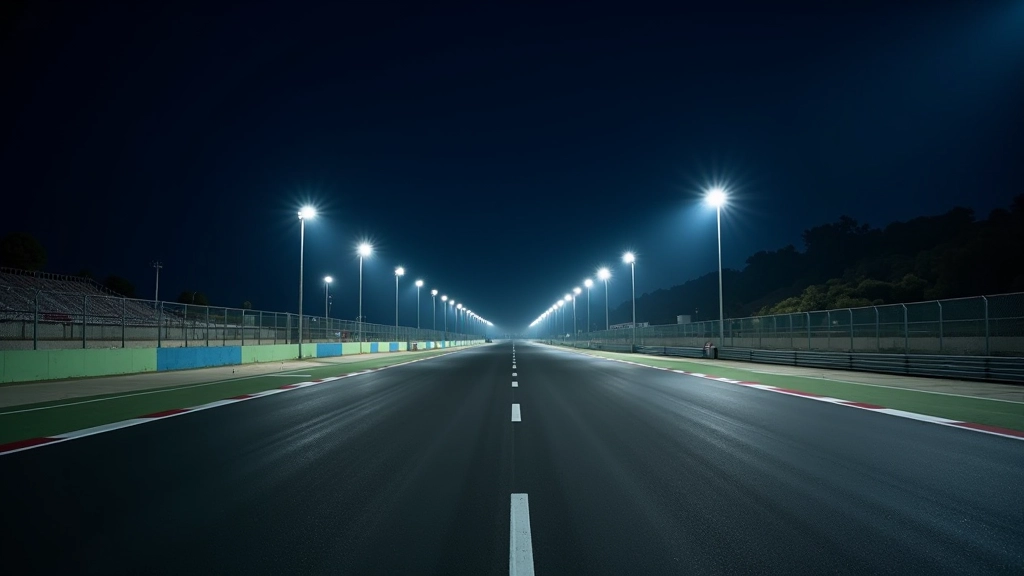
Real driving under controlled conditions. Our San Diego track is lit to match highway conditions. You'll build muscle memory and confidence without traffic or distractions.
Practical resources to improve your night driving skills
Your eyes change at 35 and keep changing. Learn exactly what happens, why recovery time increases, and practical compensation techniques that actually work.
High beams aren't just for dark roads. We break down beam patterns, oncoming traffic detection, and the science of when switching actually improves safety.
Reaction time slows at night and slower with age. These five exercises improve response speed and build the neural patterns you need for emergency situations.
You'll spend 3 hours on the track under realistic highway lighting. No traffic, full feedback, and the chance to actually practice what you've learned in a safe environment.