
Reaction Time Exercises for Night Driving
Reaction time slows at night and slower with age. These five exercises improve response speed and build the neural patterns you'll need for emergency situations.
Written by
Night Driving Editorial Team
Editorial Team
Written by the Night Driving Editorial Team, focused on practical safety guidance for drivers navigating low-light conditions.
Why Reaction Time Matters at Night
Your brain processes visual information slower when it's dark. That's not a character flaw—it's biology. Fewer photons hit your retina, your pupils dilate trying to catch more light, and the neural signals that trigger movement take longer to fire. Add in age-related changes, and you're looking at reaction delays that compound over the miles you drive.
The good news? You can train this. Not with supplements or special glasses, but with deliberate practice. Your nervous system adapts. Build the right patterns now, and your responses become automatic when it matters most.
We've worked with drivers aged 35 to 65 who've cut their reaction times by 15-20% over 4-6 weeks of focused drills. Nothing fancy—just consistent practice using your own body and a few simple tools.
The Five Core Exercises
Each exercise targets a specific part of the reaction chain: visual detection, decision-making, and motor response. You don't need a gym or special equipment. Most of this happens sitting down.
1. Peripheral Flash Recognition
You'll practice catching motion in your peripheral vision and responding with a hand signal. This trains your visual system to pick up movement outside your central focus—exactly what happens when a car appears in your blind spot at night.
2. Low-Light Contrast Drills
Distinguish objects in dimly lit scenes. You're building your ability to spot pedestrians, debris, or wildlife against dark backgrounds. Most people don't realize they can improve this skill—but you can.
3. Decision Speed Training
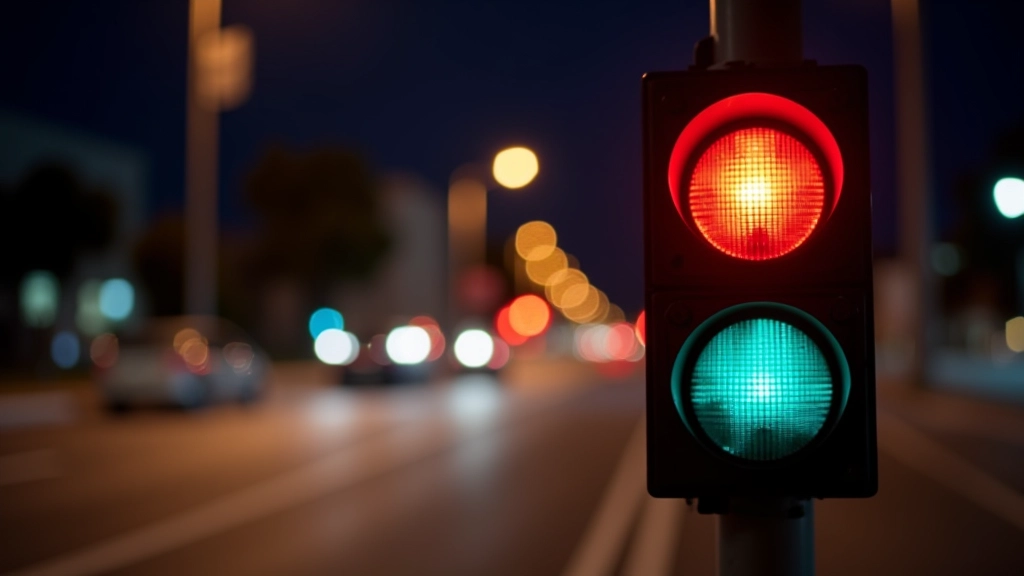
Fast recognition means nothing if you're slow to decide. This exercise separates threat assessment (real danger vs. harmless) from false alarms. Your hands stay ready while your brain decides whether to brake or steer.
Progressive Drills for Muscle Memory
The last two exercises build speed through repetition. You're not memorizing responses—you're training your nervous system to react faster without conscious thought.
4. Foot-Pedal Transitions
Moving from accelerator to brake smoothly and quickly. Most drivers are slower at night because they're hesitant. This drill removes the hesitation. You'll practice 50 transitions at a time, working up to doing it without thinking.
5. Steering Precision Under Time Pressure
Swerving safely requires both speed and accuracy. Too fast and you lose control; too slow and you don't avoid the hazard. This drill teaches your hands to move quickly without overshooting. You'll work with simple cones or markers, responding to visual signals.
The Training Schedule That Works
Don't try to do all five exercises in one session. You'll fatigue your nervous system and won't retain the learning. Instead, spread them across the week.
Monday & Thursday: Peripheral flash and contrast drills (20 minutes each)
Tuesday & Friday: Decision speed and foot-pedal transitions (20 minutes each)
Wednesday & Saturday: Steering precision and mixed-drill sessions (30 minutes)
Sunday: Rest or light review
Most drivers see measurable improvement in 3-4 weeks. By week 6, the changes stick. You're not fighting your biology anymore—you're working with it.
Building Confidence Through Practice
You won't feel these changes happening. That's the point. By the time you've finished six weeks, faster reactions will feel normal. Your hands will move before your conscious mind catches up. You'll spot hazards earlier and respond with more control.
Night driving doesn't have to feel like a guessing game. It's a skill you can sharpen—same as anything else. Start with one exercise this week. Stick with it for three sessions. Then add the next one. That's how lasting change happens.
Ready to Train On Track?
These exercises prepare you for real-world scenarios. Our San Diego nocturnal track sessions let you practice under controlled conditions with expert coaching.
Learn About Track SessionsImportant Note
Individual learning outcomes vary from person to person. These exercises are designed to improve reaction time and muscle memory for night driving. Results depend on consistent practice, individual physical condition, and prior driving experience. Always prioritize safety and follow local traffic laws when practicing these techniques on public roads.
Related Articles
Explore more resources on night driving safety and visibility