
Headlight Beam Patterns & When to Switch
High beams aren't just for dark roads. We break down beam patterns, oncoming traffic etiquette, and when switching actually improves visibility.
Your eyes change at 35 and keep changing. Learn exactly what happens, why recovery time increases, and practical compensation techniques that actually work.
Written by
Editorial Team
Focused on practical safety guidance for drivers navigating low-light conditions. Evidence-based techniques for better night driving.
Starting around age 35, your eyes begin a gradual shift. It's not sudden — you won't wake up one morning unable to see. Instead, you'll notice small changes creeping in. Your pupils don't dilate as much in darkness. They used to open to about 7 millimeters in low light. By 45, that's down to 5.5 millimeters. By 55, around 4.3 millimeters. That's less light reaching your retina — roughly 30% less by age 50.
But it's not just size. Your pupils also react slower. When you switch from a well-lit area into darkness, younger eyes adapt in about 20-30 seconds. Yours? You're looking at 45-60 seconds now. That's the critical window where night driving feels harder. You're not imagining it.
Key shift: Your pupils dilate 30-40% less and react 2-3x slower than at 25. This compounds when you're switching between headlights and darkness repeatedly.
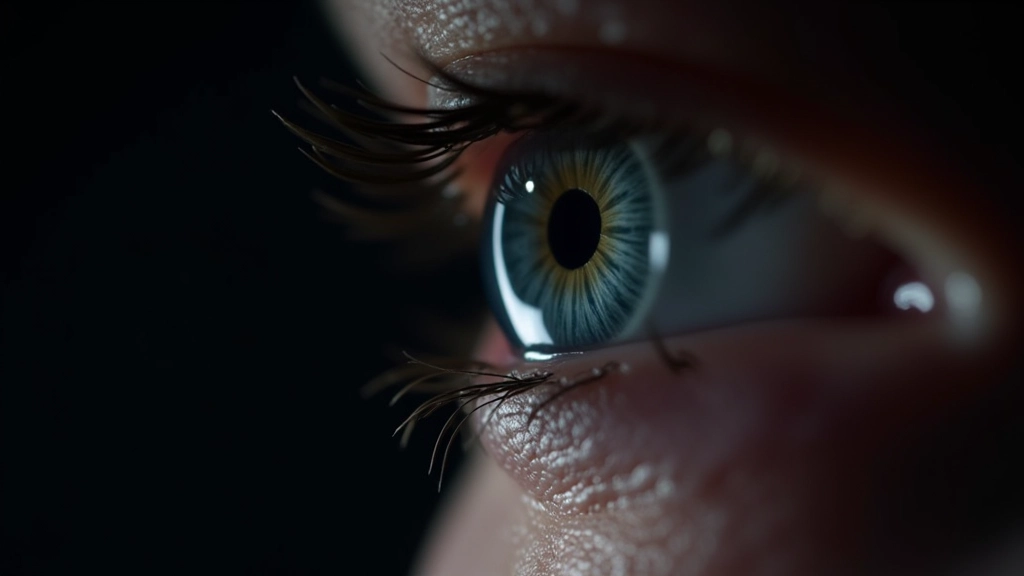
That slower reaction time becomes dangerous at highway speeds. When an oncoming car flashes its high beams, your pupils need time to contract and protect your retina. That 45-second adaptation window? You don't have 45 seconds at 65 mph. You have maybe 3 seconds.
Here's what's happening: Your lens also stiffens with age. It doesn't focus as quickly on distant objects. Combined with the slower pupil response, you're experiencing what we call "glare recovery lag." That bright headlight passes, your pupils finally constrict, but your lens is still struggling to refocus on the dark road ahead.
That lost time is distance. At 65 mph, 6 seconds equals roughly 570 feet of driving with compromised vision. You're not blind — you're just seeing less detail, processing slower, and reacting slower. It's cumulative.
You can't reverse the aging process, but you can work around it. These aren't suggestions — they're techniques that measurably improve safety when you're dealing with age-related vision changes.
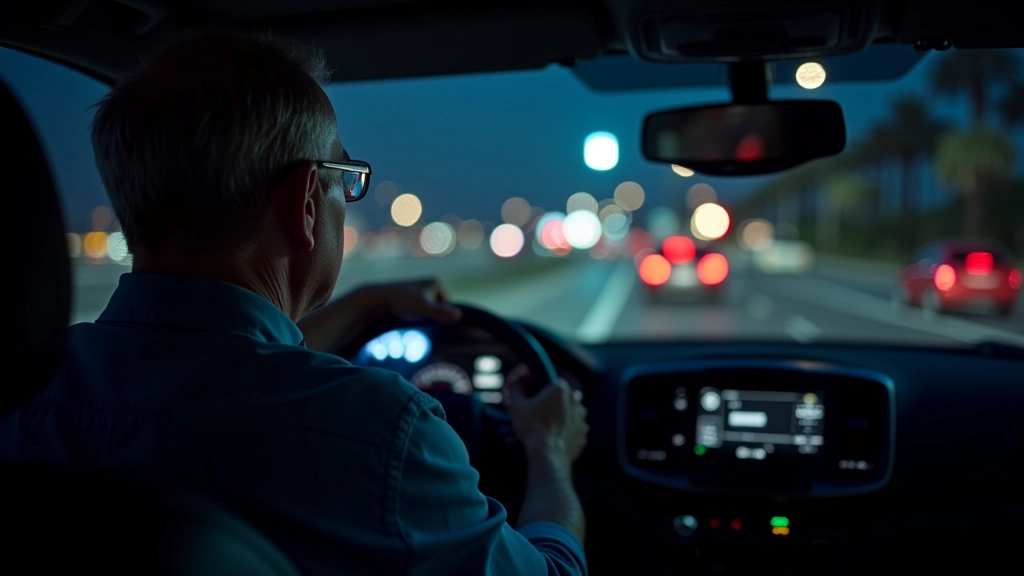
Don't stare into oncoming headlights. When you see a car approaching, shift your eyes slightly right toward the road edge. Your peripheral vision picks up the car's position — you don't need the direct image. This protects your pupils from the worst of the glare and lets them stay partially adapted.
At 35, the standard 3-second rule works fine. At 45-55, you're better off with 4-5 seconds. You're not driving slower — you're just giving yourself more time to detect and react to what's ahead. Slower recovery time means you need more runway.
Your pupils are smaller, so every lumen counts. Check your headlight alignment — a misaligned beam wastes light. Consider upgrading to LED or HID systems if your car still has halogen. You're not going brighter for ego — you're compensating for the light that actually reaches your retina.
Don't guess about your vision. Get tested every 1-2 years if you're over 45. Not just acuity — ask your optometrist specifically about contrast sensitivity and glare recovery time. These aren't standard tests, but a good eye care professional can assess them.
Some people at 50 have minimal changes. Others notice significant shifts. Genetics, overall health, medication side effects, and lifestyle all play a role. You might adapt quickly or struggle more. The point isn't comparison — it's knowing where you stand so you can adjust your driving accordingly.
Consider taking a night driving course specifically designed for your age group. You'll get real feedback on your actual recovery time, discover your blind spots, and practice techniques in a controlled environment before relying on them in traffic. That's worth more than any general advice.
Your eyes don't fail at 35 or 45 or 55. They adapt — differently than they did at 25. Your pupils dilate less, react slower, and need more time to recover from glare. That's not a limitation you're stuck with. It's a change you can work with if you understand it.
Night driving doesn't have to feel harder as you age. It just requires being honest about how your vision has changed and adjusting your technique accordingly. Increase your following distance. Protect your pupils from direct glare. Keep your headlights properly aimed and bright. Get tested to know exactly where you stand. These aren't special tricks — they're practical responses to what your eyes are actually doing.
Ready to put this into practice? Our San Diego nocturnal track sessions give you a controlled environment to work through these techniques with professional feedback.
Learn About Track SessionsDisclaimer: Individual learning outcomes vary from person to person. Vision changes are influenced by genetics, health conditions, medications, and lifestyle factors. This article provides general information about age-related vision changes and should not replace professional eye care. Always consult with your optometrist or ophthalmologist for personalized vision assessment and guidance specific to your situation.
High beams aren't just for dark roads. We break down beam patterns, oncoming traffic etiquette, and when switching actually improves visibility.
Reaction time slows at night and slower with age. These five exercises improve reflexes and decision-making under low-light conditions.
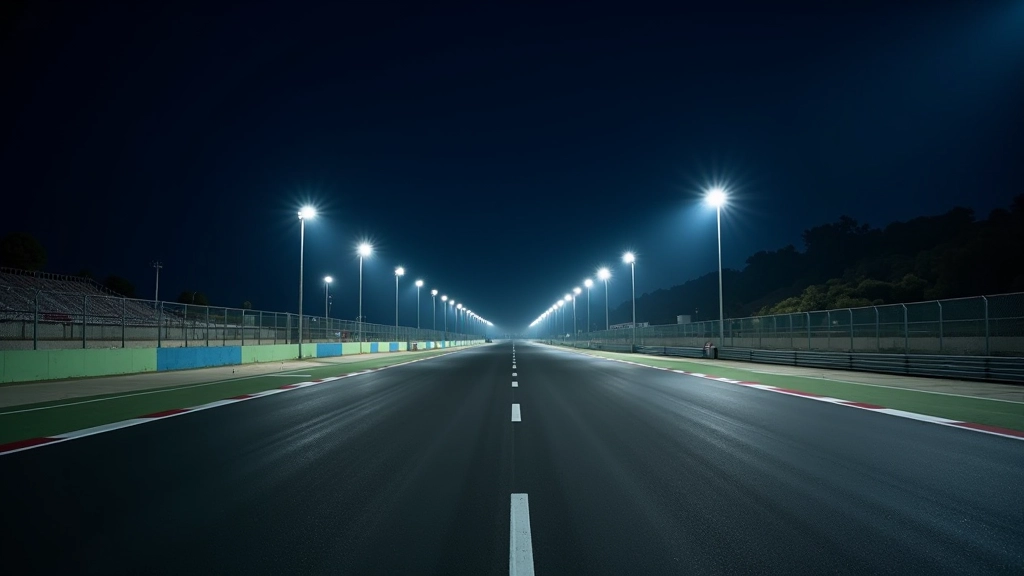
You'll spend 3 hours on the track under realistic highway lighting. No traffic, no risk — just focused practice and professional feedback.