
Headlight Beam Patterns & When to Switch
High beams aren't just for dark roads. We break down beam patterns, oncoming traffic detection, and the science of when switching actually improves safety.
Night Driving Editorial Team
Editorial Team
Written by the Night Driving Editorial Team, focused on practical safety guidance for drivers navigating low-light conditions.
Why Beam Patterns Matter
You're driving at 55 mph on a two-lane highway at night. Your headlights reach maybe 250 feet ahead. That gives you about 4 seconds before you hit something. Reaction time alone eats up half of that. The difference between a low beam and a high beam isn't just about brightness — it's about coverage, distance, and what you can actually see coming toward you.
Most drivers flip their high beams on and off without understanding what they're doing. You'll see someone blast high beams at an oncoming car, both drivers flash back, and nothing gets resolved. There's a science here. Modern headlights throw light in specific patterns. Older systems work differently than newer LED arrays. Knowing when to switch — and how to do it without blinding other drivers — is a core skill for night driving safety.
Low Beam vs. High Beam Geometry
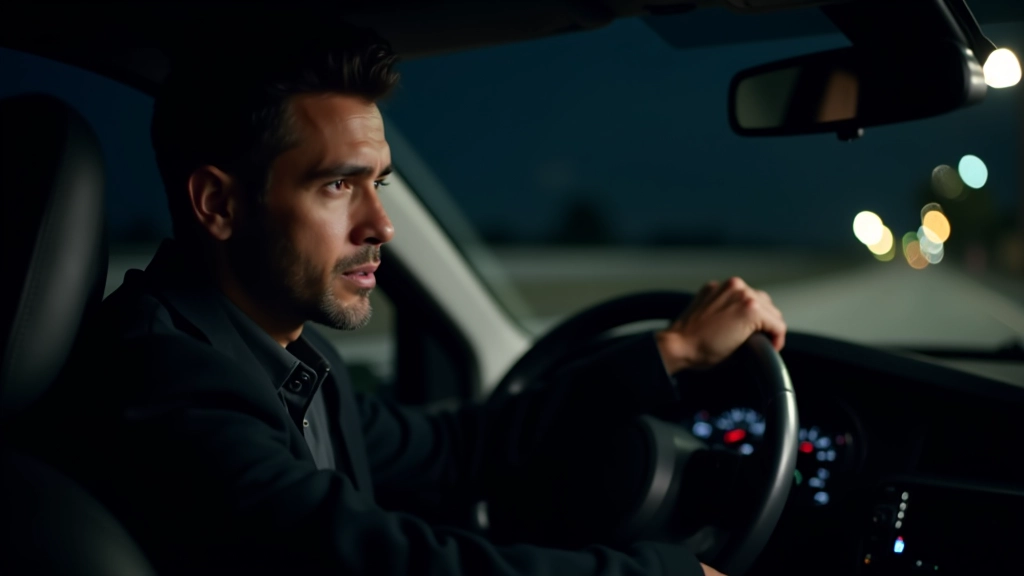
Low beams have a specific cutoff line. That line isn't random — it's designed so the light drops below the height of oncoming headlights. The beam spreads wide, giving you peripheral visibility. You're seeing the road shoulders, verges, and potential hazards on both sides. The tradeoff: distance. You're seeing clearly maybe 150-200 feet ahead with quality low beams.
High beams don't have that cutoff. Light shoots up and forward. You're getting 300+ feet of visibility on a clear night — sometimes much more with LED systems. The problem: that light hits oncoming traffic at eye level. Drivers get blinded. Their pupils contract hard, and they see almost nothing for a few seconds. That's dangerous for everyone.
The key difference: Low beams protect other drivers while limiting your own range. High beams maximize your range but blind approaching traffic. You're always making a choice.
When to Actually Switch
Most drivers use high beams wrong. You see someone approaching, you flash high beams at them — and that doesn't help. Both drivers are now annoyed and potentially blinded. Here's when switching makes sense:
Empty road, no traffic
Truly empty road? High beams are appropriate. You're maximizing your sight distance, seeing potential obstacles further out. But stay alert — as soon as you see headlights, even far away, switch back to low.
Rural roads with sporadic traffic
Country roads have longer sight lines. Switch to high beams between vehicles. The moment you see approaching lights, switch back immediately — don't wait until they're close. Give the other driver time to adjust.
Never in urban or busy areas
City driving? Suburbs? Anywhere with consistent traffic? Stay on low beams. Period. The risk of blinding someone turning onto a side street or merging isn't worth it.

Spotting Oncoming Traffic Early
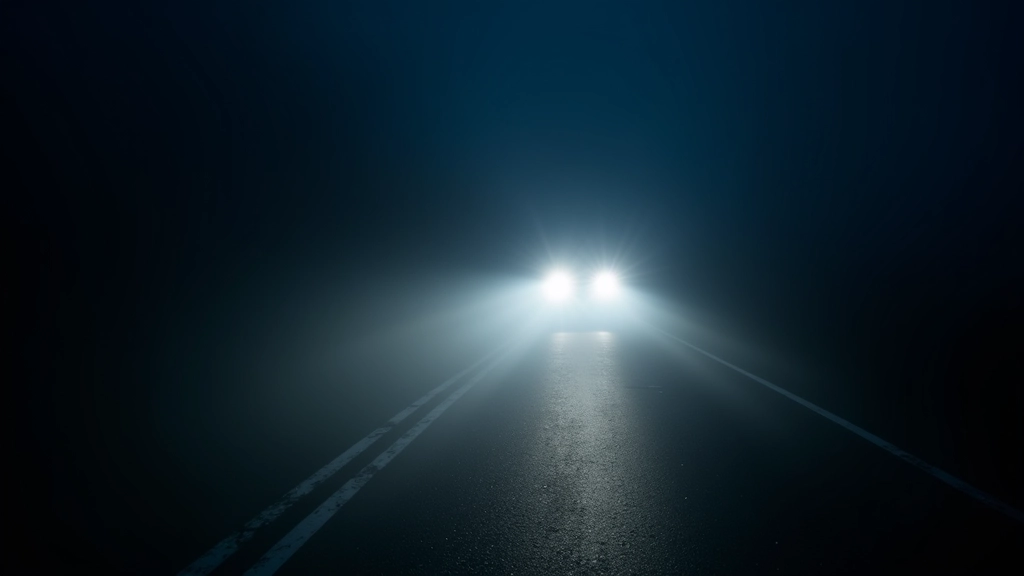
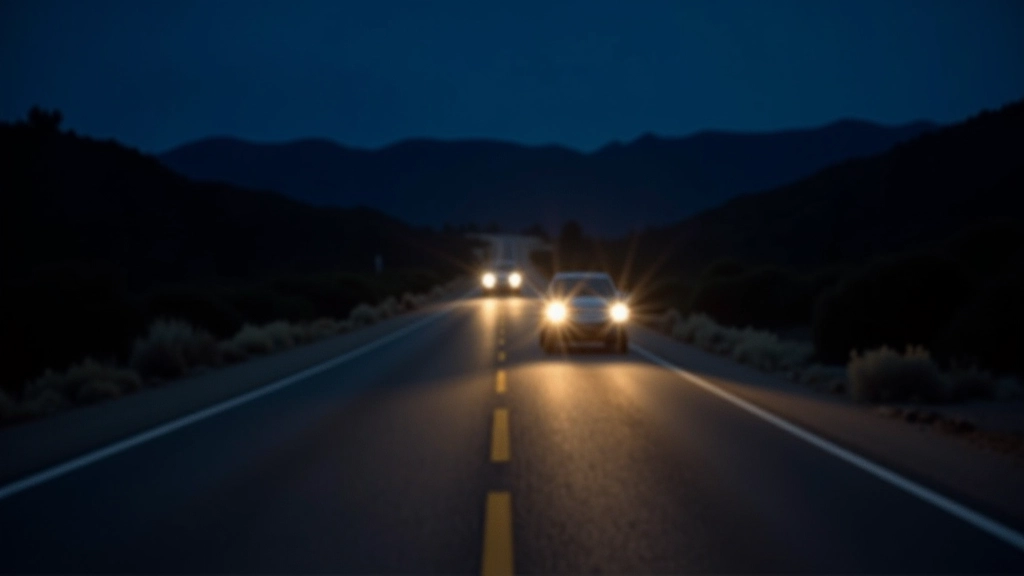
Your eyes are better at detecting movement than static objects. On a dark road, you might not see a car until its headlights appear — that glow on the horizon is your cue. On curves or hilly terrain, that glow might appear suddenly. The moment you see it, switch your high beams to low.
The timing matters. If you wait until you can clearly see the other vehicle, you're waiting too long. A glow on the horizon? That's 30+ seconds away at highway speeds. Switch now. Your pupils won't adjust instantly, and neither will theirs. You're both better off.
On winding roads, this gets harder. You can't see around curves. Some drivers use a quick high-beam flash as a "heads up" signal to oncoming traffic. This isn't standard everywhere, but in rural areas, it's understood — you're warning them, not attacking them. But the safer approach is just to keep low beams on and accept that you won't see as far ahead on curves.
Modern Headlight Technology Changes the Game
Newer cars have adaptive headlights or automatic high-beam systems. LEDs let manufacturers create more precise beam patterns. Some systems actually detect oncoming traffic and automatically switch from high to low beams. If you've got this tech, it's worth understanding how it works — and its limitations.
Automatic systems aren't perfect. They can fail on very dark nights or in heavy rain. A reflective sign can confuse the camera. If your car has auto high beams, don't completely trust them. Stay engaged. You're still the driver making the safety call. These systems are assistants, not replacements for your judgment.
LED vs. Halogen Patterns
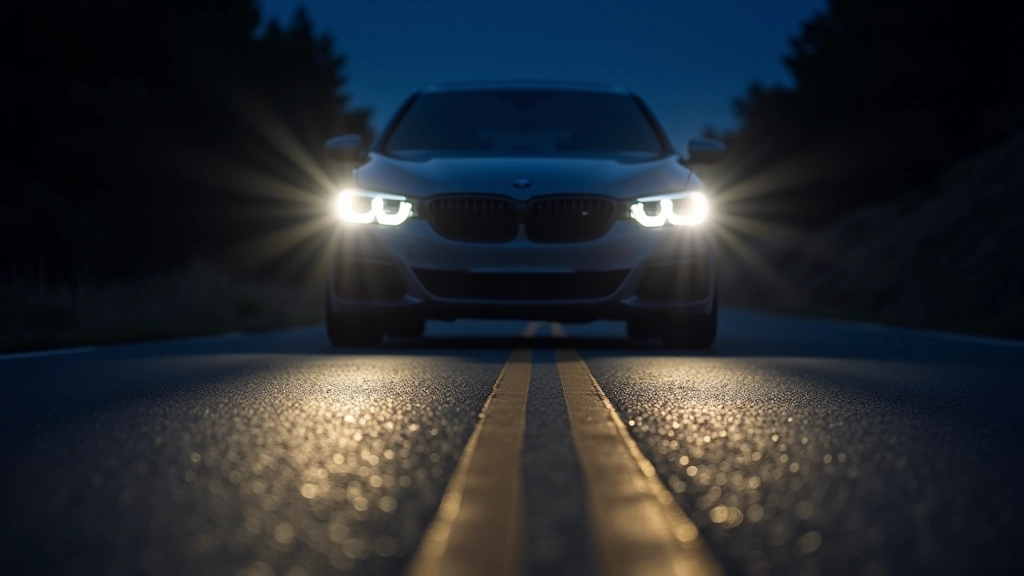
LED headlights produce sharper, more defined beam edges. Halogen systems have softer falloff. Both follow the same low-beam cutoff principle, but the visual effect is different. LED high beams reach further and create more glare for oncoming drivers. If you're driving an older car with halogens, you're actually producing less glare than a new LED system at high beam — but don't use that as an excuse to leave high beams on longer.
The Bottom Line
Headlight beam patterns exist for a reason. Low beams protect other drivers and give you solid visibility for normal driving. High beams extend your range but create real danger for approaching traffic. Switching between them isn't complicated — it's about awareness and courtesy. See a glow on the horizon? Switch. Empty road stretching ahead? You can go high. But stay alert. Conditions change fast at night, and your decision to switch affects everyone on the road.
The skill here isn't technical. It's about paying attention, making decisions early, and understanding that every choice you make with your headlights impacts the safety of other drivers. That's responsibility. That's what separates safe night driving from reactive driving.
Ready to Practice These Skills?
Our nocturnal track sessions in San Diego give you real experience with headlight management in controlled conditions. No traffic stress, real visibility challenges, and expert feedback.
Learn About Our Track SessionsImportant Note
Individual learning outcomes and driving experiences vary from person to person. Headlight beam patterns and switching practices may differ based on vehicle type, local regulations, and road conditions. Always refer to your vehicle's owner manual for specific headlight operation instructions, and follow your local traffic laws regarding headlight use.
Related Guides
Pupil Response & Age-Related Vision Changes in Low Light
Your eyes change at 35 and keep changing. Learn exactly what happens, why recovery slows, and how to adapt.
Reaction Time Exercises for Night Driving
Reaction time slows at night and slower with age. These five exercises improve response speed measurably.
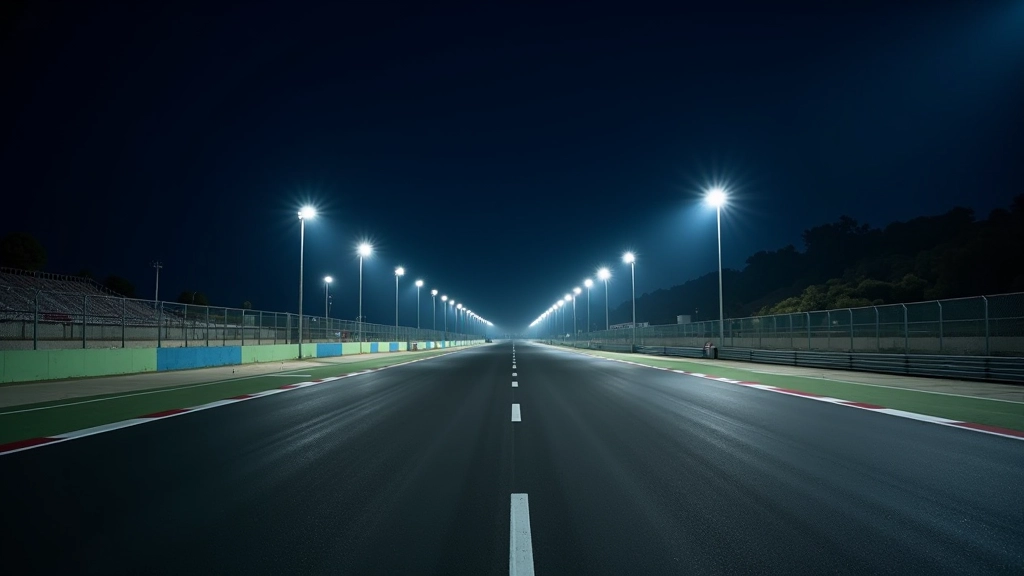
What to Expect in Our San Diego Nocturnal Track Sessions
You'll spend 3 hours on the track under realistic highway lighting. No traffic, pure skill development.